
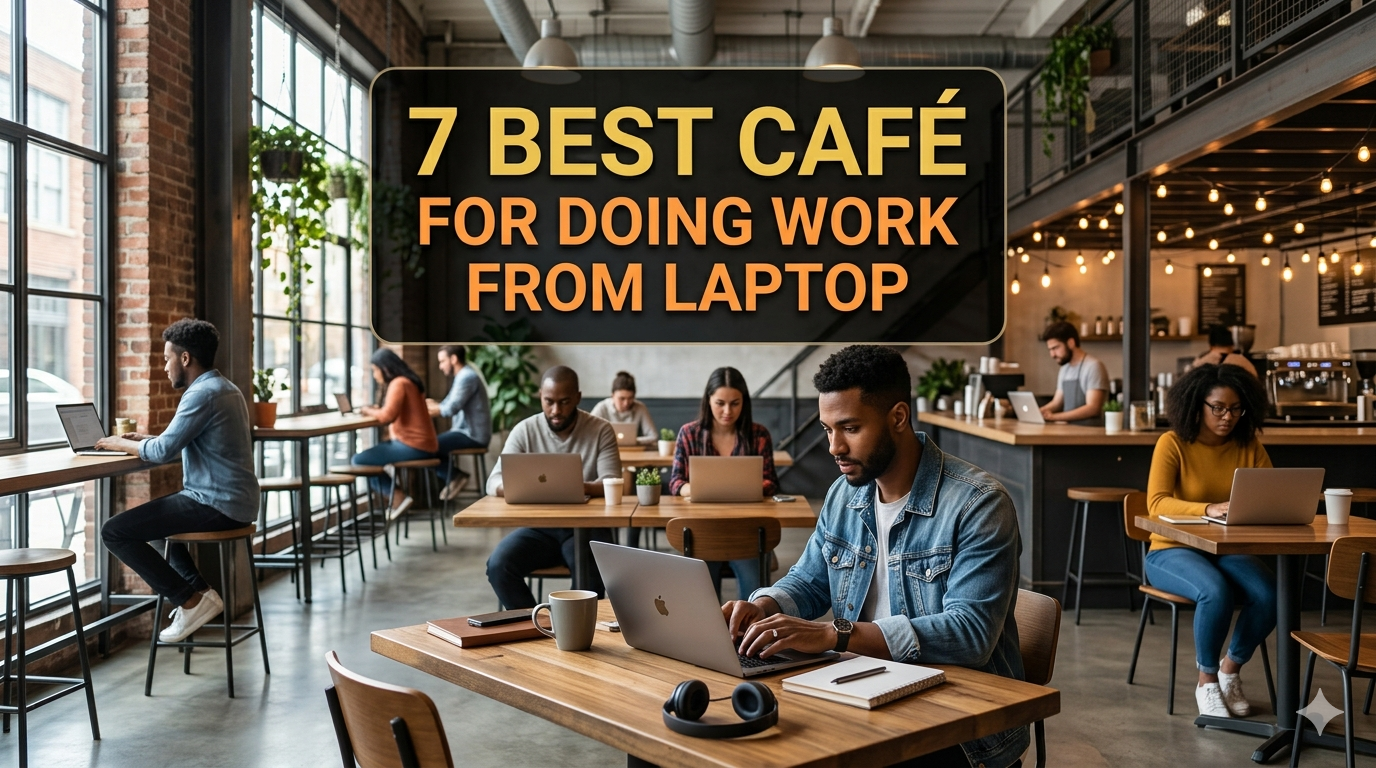
If you’re a freelancer, a student or simply someone who can’t concentrate at home, working from a cafe just feels better. There’s something about the steady hum of an espresso machine and the smell of fresh coffee that has a certain synergy.
But not all cafes are laptop-friendly. Slow Wi-Fi, no power outlets, loud music or tiny tables can spoil your entire day. Which is why a good laptop cafe guide matters.
In this article, I’ve broken down 7 of the best types of laptop-friendly cafe spots, what makes each one great and how to choose the right type for your work style. I’ve also included tips, comparison tables and answers to the most common questions people ask.
Let’s get into it.
What Actually Makes a Cafe Good for Laptop Work?
Before jumping into the list, let’s establish what defines a good laptop cafe versus an average one.
The eight factors that matter most:
- Wi-Fi speed — reliable and fast enough for your tasks (25+ Mbps as a baseline)
- Power outlets — visible, accessible and plentiful
- Noise level — manageable background buzz, not concert volume
- Seating comfort — supportive enough for 2–4 hour sessions
- Table space — room for a laptop, a drink and a notebook
- Staff attitude toward long stays — relaxed, not hovering
- Hours — open early enough or late enough for your schedule
- Purchase expectations — a clear, reasonable policy you can respect
Keep these in mind as you read — and when you’re scouting your own local options.
1. The Specialty Coffee Shop With a Layout Designed for Work
Why It Ranks High on Every Laptop Cafe Guide
Specialty coffee shops have become the gold standard for remote work. These are not your average diner coffee spots. They take their craft seriously — single-origin beans, pour-overs, flat whites — and they attract a quieter, more focused crowd.
The layout usually helps too. Long communal tables, bar seats along windows and enough space between tables that you don’t feel like you’re sitting in someone’s lap.
What to look for:
- At least four to six power outlets per seating area
- Wi-Fi password posted on a chalkboard or menu (a good sign they take it seriously)
- Background music at conversation level, not concert level
Best for: Deep work sessions, writing, coding or video calls with a headset.
Average spend: $5–$12 for several hours of comfortable working.
How to Know If It’s Actually Work-Friendly
Walk in before committing. Check three things:
- Are people already working on laptops?
- Are power strips or outlets visibly accessible under or near the tables?
- Can you follow your train of thought without headphones?
If all three pass, you’ve found a keeper.
2. The Co-Working Cafe Hybrid
The Best of Both Worlds
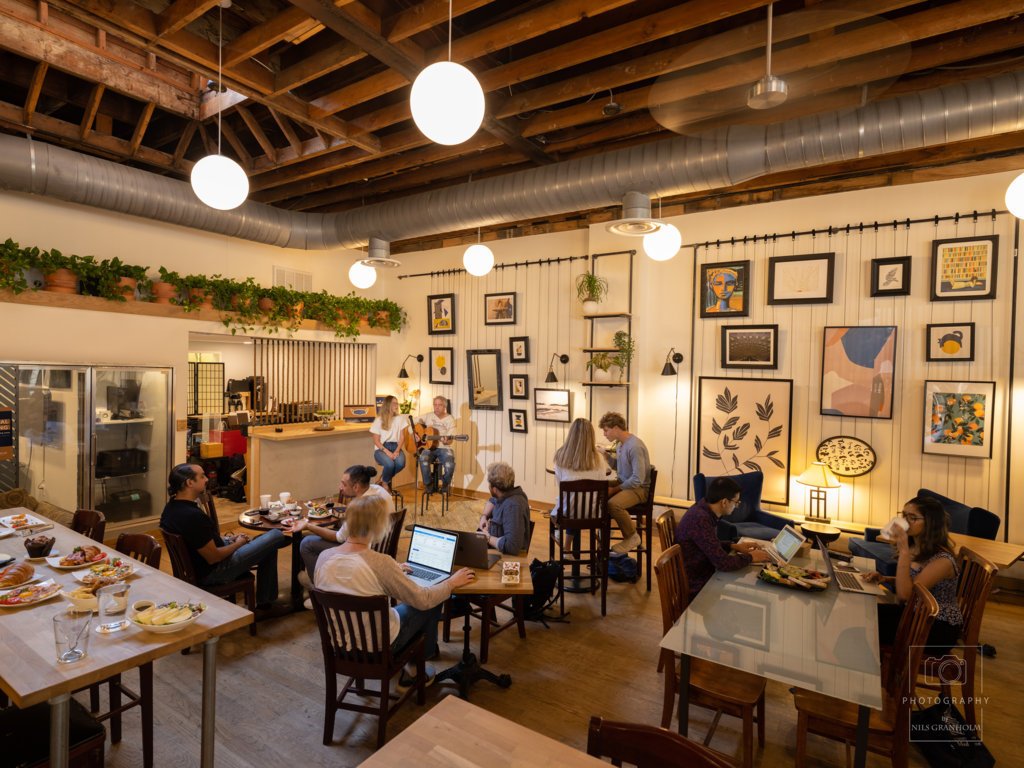
Some operators have realized that people want both coffee and a proper desk. Enter the co-working cafe hybrid. These places combine the energy of a cafe with the structure of a co-working space.
You get proper desks, dedicated high-speed Wi-Fi (not shared with 50 people streaming YouTube) and sometimes even private booths or phone call zones. The coffee is typically just as good — the concept doesn’t work if either side falls short.
What to look for:
- Designated quiet zones separate from collaborative areas
- Hourly, daily or membership-based pricing
- Lockers or secure spots for bags during bathroom breaks
Best for: Professionals who need reliable, distraction-free output but don’t want to pay full co-working space prices.
Average cost: $10–$25 a day, sometimes including one drink.
Comparison: Regular Cafe vs. Co-Working Cafe Hybrid
| Feature | Regular Cafe | Co-Working Cafe Hybrid |
|---|---|---|
| Wi-Fi speed | Variable (5–50 Mbps) | Dedicated (50–200 Mbps) |
| Power outlets | Limited | Plentiful |
| Noise level | Unpredictable | Managed |
| Privacy | Low | Medium–High |
| Cost | Low ($5–10) | Medium ($10–25) |
| Community | Accidental | Intentional |
If you work remotely full-time or several times a week, the hybrid model is worth the extra cost.
3. The Bookshop Cafe
Quiet, Focused and Underrated
Bookshop cafes are among the most underrated entries in any laptop cafe guide. They attract readers — and readers are quiet. That culture carries over. You’re not going to find a table of loud lunch-goers next to you, or someone taking a group call without headphones.
The vibe is generally warm and serene — wood shelves, soft lighting and jazz or classical music playing just below a whisper. It’s the kind of place where you want to sit for three hours and actually get things done.
The downside? Outlets and Wi-Fi can be unreliable. Some bookshop cafes are only just warming to the laptop crowd.
What to look for:
- A seating section with tables (not just a counter)
- Solid Wi-Fi, even if not the fastest
- Enough table space for a laptop, a coffee and a notebook
Best for: Writers, editors, students or anyone whose best work happens in a calm, literary atmosphere.
Typical spend: $4–$9, and you might leave with a book too.
Pro tip: Go on weekday mornings. Afternoons can get busy with students. The window between 8 AM and 11 AM is the sweet spot — quiet, fresh and full of productive morning energy.
4. The Hotel Lobby Cafe
Surprisingly Underused by Remote Workers
Hotel lobbies make for a surprisingly effective workspace. Many hotels — particularly mid-range and upscale ones — have cafes or coffee bars in their lobbies. These spaces are designed for people to sit, wait and meet. That means comfortable chairs, outlets at most tables and fast Wi-Fi available to guests and visitors alike.
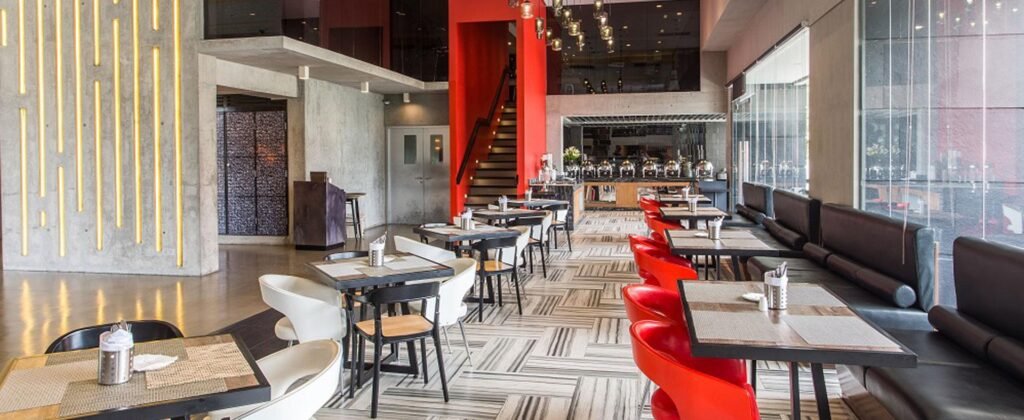
The atmosphere is professional and calm, but not sterile. If you’ve been sitting there for two hours, nobody bats an eye. It’s expected.
Some hotels even sell day passes to non-guests that include Wi-Fi access, lounge use and a drink credit.
What to look for:
- No appointment necessary (many have open lobby policies)
- A cafe counter or barista station (not just vending machines)
- Good lighting and air conditioning
Best for: Video calls, client meetings or work sessions that require a polished, professional background.
Typical cost: $6–$15 for drinks; some hotels offer free lobby access.
5. The Museum Cafe
Culture, Peace and Surprisingly Good Coffee
Museum cafes occupy a special place. They are designed for people who are already slowing down — walking, looking, thinking. That energy carries into the cafe itself.
High ceilings, natural light from skylights or large windows and a crowd that feels calm and curious. Nobody’s rushing. Nobody’s loud. It’s one of the quietest places to open a laptop and disappear into your work.
Many major museums have invested heavily in their cafes. Some are run by notable chefs or specialty coffee brands. The standards are often higher than you’d expect.
What to look for:
- Cafes inside museums that are open to the general public without requiring an admission ticket
- Seating available beyond the lunch rush — some close mid-afternoon
- Wi-Fi coverage throughout the cafe, not just in certain sections
Best for: Creative work, research, planning or any task that benefits from an inspiring, visually rich environment.
Average spend: $7–$15 with food or a specialty drink.
One thing to watch out for: Museum cafes can get crowded during school trips or weekend mornings. For a quiet seat, aim for Tuesday to Thursday, mid-morning. You’ll often have half the cafe to yourself.
6. The Outdoor or Garden Cafe
Fresh Air and Focus Can Coexist
Working outdoors isn’t for everyone. Screen glare is real. But the right outdoor cafe — particularly a well-shaded one with sturdy furniture and a three-quarters indoor/outdoor patio — can be excellent for focus.
Research shows that exposure to natural environments reduces mental fatigue. An outdoor or garden cafe builds on that. The ambient sound of birds, a breeze or distant city noise can be easier to work in than the clatter of a busy indoor cafe at mid-morning.
These spots work best for screen-minimal tasks — emails, planning documents, reading, note-taking. Anything that lets you look up and breathe between sessions.
What to look for:
- Shade coverage — ideally 70% or more over the seating area
- Tables stable enough for typing (wobbly iron tables are a nightmare)
- A power point nearby, even if it requires a short extension cord
Best for: Lighter task days, creative thinking or anyone who finds indoor cafes draining.
Typical spend: $4–$10, and the setting itself is part of the value.
Gear That Comes in Handy at Outdoor Cafes
Bring a laptop hood or an anti-glare screen protector. Pack a portable power bank for longer sessions. A small travel mouse also helps, especially if table surfaces are uneven.
7. The 24-Hour Diner Cafe
The Night Owl’s Best Friend
Not everyone does their best work between 9 and 5. If you’re a night worker, an early riser or someone working across time zones, the 24-hour diner cafe is a genuine lifesaver.
These places may not win interior design awards. The coffee might come from a glass carafe that’s been sitting since 6 PM. But they’re open — and that matters when every specialty shop is locked and dark at 10 PM.
Many 24-hour places have quietly improved — better Wi-Fi, updated menus and layouts more suited to long stays. Regulars tend to be freelancers, students, healthcare workers and creatives burning the midnight oil side by side.
What to look for:
- Booth seating (more comfortable for longer sessions than standard chairs)
- Reliable Wi-Fi during evening hours
- Staff who are clearly fine with people staying for extended periods
Best for: Night owls, deadline crunchers or anyone who does their best work outside of regular hours.
Average cost: $5–$12; some places offer free refills on drip coffee.
How to Match Your Work Style to the Right Cafe
One size doesn’t fit all. Here’s a quick pairing guide:
| Work Style | Best Cafe Type |
|---|---|
| Deep writing or coding | Specialty coffee shop or bookshop cafe |
| Video calls and client meetings | Hotel lobby cafe or co-working hybrid |
| Creative brainstorming | Museum cafe or outdoor garden cafe |
| Long, uninterrupted sessions | Co-working cafe hybrid |
| Night work or deadline crunching | 24-hour diner cafe |
| Light tasks, emails, reading | Outdoor garden cafe or bookshop cafe |
| Students and researchers | Bookshop cafe or museum cafe |
Items to Never Forget at a Laptop Cafe
The best spot in this guide is only as good as the preparation you bring to it. Here’s what remote work regulars never leave home without.
The essentials:
- Laptop charger and a small power strip — sharing outlets earns you instant goodwill with other workers
- Noise-canceling headphones — a must at most public cafes
- A portable Wi-Fi hotspot as backup — because cafe Wi-Fi always seems to die at the worst moment
- A reusable water bottle — staying hydrated keeps focus sharp
- A small notebook — some ideas need the handwritten touch
Optional but useful:
- A laptop stand and portable keyboard for longer sessions
- A cable lock if you need to step away for a bathroom break
- Blue light glasses for full-day sessions
Cafe Etiquette for Laptop Workers
This part matters. One reason some cafes have started restricting laptop use is that a few people abused the space. Here’s how to be the kind of laptop guest who’s always welcome back.
Buy something every 90 minutes. It doesn’t have to be expensive — a water, a cookie, a second coffee. The cafe is a business. Respect that.
Don’t spread out excessively. One table, one person. Don’t claim a six-person booth solo during the lunch rush.
Keep your audio in your headphones. Video calls, YouTube, music — all of it. Always.
Ask before plugging in. If the outlet is shared, a quick word to the staff or the person nearby is all it takes.
Tip when you can. Especially at specialty shops where the staff are trained professionals. A tool like Google Pay or a tap-to-pay card makes it easy even when you’re deep in work mode.
These habits are what keep cafes laptop-friendly. Cafes welcome remote workers when those workers behave well. Simple as that.
Your FAQs Answered
Q: Where can I find laptop-friendly cafes near me? The simplest starting point is Google Maps — search “cafe with Wi-Fi” or “laptop-friendly cafe” in your city. Apps like Workfrom and Yelp allow you to filter by amenities too. Asking in local Facebook groups or city-specific Reddit communities also surfaces great hidden gems that never make it into official directories.
Q: Is working from a cafe for several hours rude? It depends on the cafe and the time of day. During slow periods, cafes almost always welcome long-stay laptop workers — you’re reliable, quiet revenue. Staying four hours on a single coffee becomes a problem when the lunch rush hits a small shop. A good rule: align your stay length with how busy the place is, and keep buying something every 90 minutes or so.
Q: How fast does my Wi-Fi need to be to work from a cafe? For basic email and browsing, 5 Mbps is sufficient. For video calls (Zoom, Google Meet), you want 10–25 Mbps up and down. For large file uploads, streaming and heavy cloud work, aim for 50 Mbps or above. Always test the speed on your first visit using a free tool like fast.com before committing to a long session.
Q: Are there apps that help me find good laptop cafe spots? Yes. Workfrom is the most well-known — it crowdsources reviews specifically from remote workers and lets you filter by Wi-Fi speed, noise level and outlet availability. Remote Cafe is another. Google Maps has also added a “Good for working” attribute to many places. For specialty coffee specifically, the Beanhunter app is a great tool for finding quality shops anywhere in the world.
Q: What if the cafe doesn’t have good Wi-Fi? That’s where your mobile hotspot comes in. Even a basic smartphone can share a 4G or 5G connection as a personal hotspot. For regular remote workers, a dedicated device or local carrier data plan is worth the monthly cost. Never rely entirely on public cafe Wi-Fi for critical calls or deadlines.
Q: Can I take meetings from a cafe? Yes, with some care. For in-person meetings, a cafe is actually great neutral ground. For video calls, wear headphones with a built-in mic, pick a corner seat and let the other person know you’re in a public place. Skip calls involving sensitive or confidential information — you never know who’s sitting nearby.
Q: Which type of cafe is best for someone new to remote work? Start with a specialty coffee shop. It strikes the best balance of atmosphere, decent Wi-Fi, good coffee and affordability. Once you know what you need — more quiet, faster internet, a proper desk — you can move toward co-working cafe hybrids or other purpose-built spaces.
In Closing: Your Cafe, Your Rules
Everyone who works from cafes eventually finds their perfect spot. Some need near-silence and a dedicated desk. Others do their best work surrounded by a gentle hum of activity. And some just need somewhere open at 3 AM with decent drip coffee.
This laptop cafe guide covers the full spectrum — from polished co-working hybrids to late-night diners, bookshop nooks to sunlit garden patios. The best place is wherever fits your brain, your work and your budget.
Pick one type to try this week. Spend two hours there. Notice what works and what doesn’t. Adjust from there. After a couple of attempts, you’ll know exactly what your ideal laptop cafe looks like.
And once you find it? You’ll be a regular in no time.