
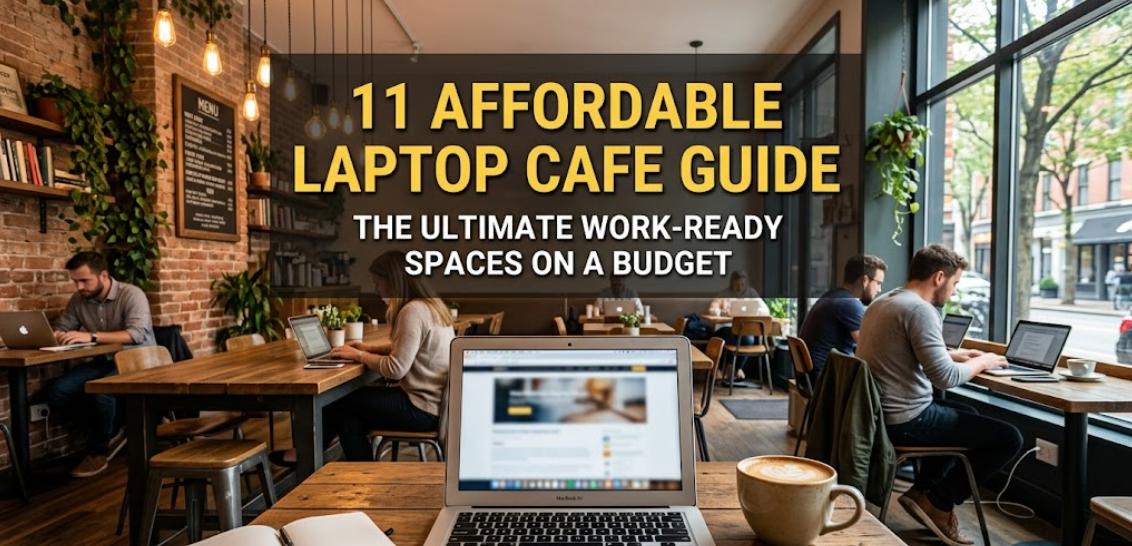
Whether you’re a student, freelancer, or remote worker — here’s how to find the perfect affordable café workspace, every time.
One of the best things about being a remote worker, freelancer, or student is working from a café. With a soft backdrop of background noise, a brown mug of coffee, and decent Wi-Fi signal — the work just flows.
But not all cafés are designed for laptops. Some have no outlets. Some are so loud you can’t even think straight. And some serve a latte for so much that your “affordable” work session has cost you more than your office rent.
Which is why this budget laptop café guide exists. If you’re a student slogging through assignments, a freelancer with a deadline to meet, or a remote worker seeking a new ambience — this guide is for you. We’ve identified 11 cheap and laptop-friendly types of cafés, plus practical tips to help you choose the right one, every time.
Let’s get into it.
Why cafés are the dominant office for budget-conscious workers
The concept of working from a café is not new. But it has exploded since remote work became mainstream.
Various remote work surveys show that over 35% of freelancers and remote workers regularly work from coffee shops or cafés. The reasons are simple — change of scenery boosts creativity, ambient noise helps many people concentrate, and cafés provide social energy without real distraction.
But that’s not the kicker: for many, a café is cheaper than renting a coworking space. That $4 coffee will purchase you hours of productive workspace, reliable Wi-Fi, and often free snacks.
The trick is knowing which cafés to choose. For a comprehensive overview of your options, visit Laptop Café Guide — a dedicated resource for remote workers, students, and freelancers hunting for the best laptop-friendly spots.
What makes a café “laptop-friendly”?
Before we get into the list, let’s go over a few things you should look for in a good laptop café.
The big five to always check
| Feature | Why it matters |
|---|---|
| Fast, reliable Wi-Fi | Slow internet kills productivity on a dime |
| Power outlets in proximity | Dead laptop = dead workday |
| Comfortable seating | Bad chairs are quick to cause back pain |
| Reasonable noise level | You need to think, not shout |
| Affordable menu | Your budget needs to survive the session |
Remember this checklist as we run through each café type below.
1. Independent coffee shops — the hidden gems of your city
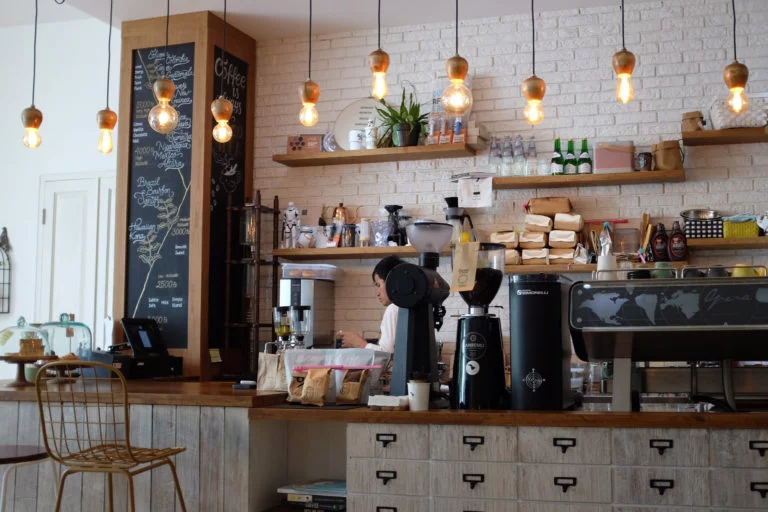
Independent coffee shops are the unsung heroes (MVPs) of the affordable laptop café world.
These are not chain cafés with corporate pricing. They’re locally owned places that rely on regulars. That means they often bend over backwards to make you comfortable — and keep you returning.
Most independent cafés have:
- Free Wi-Fi with decent speeds
- More outlets than you’d expect
- A laid-back “stay as long as you like” attitude
- Less expensive drinks than at bigger chains
The catch? Quality varies a lot. Some indie cafés may have lightning-fast Wi-Fi. The next might contain a single router from 2012.
Pro tip: Don’t order until you walk inside to check for outlets in the seating area. Ask staff about Wi-Fi speed. Grab a small drink first if you want to test the vibe before committing to working there for the day.
2. Bookstore cafés — quiet, tranquil, and focused
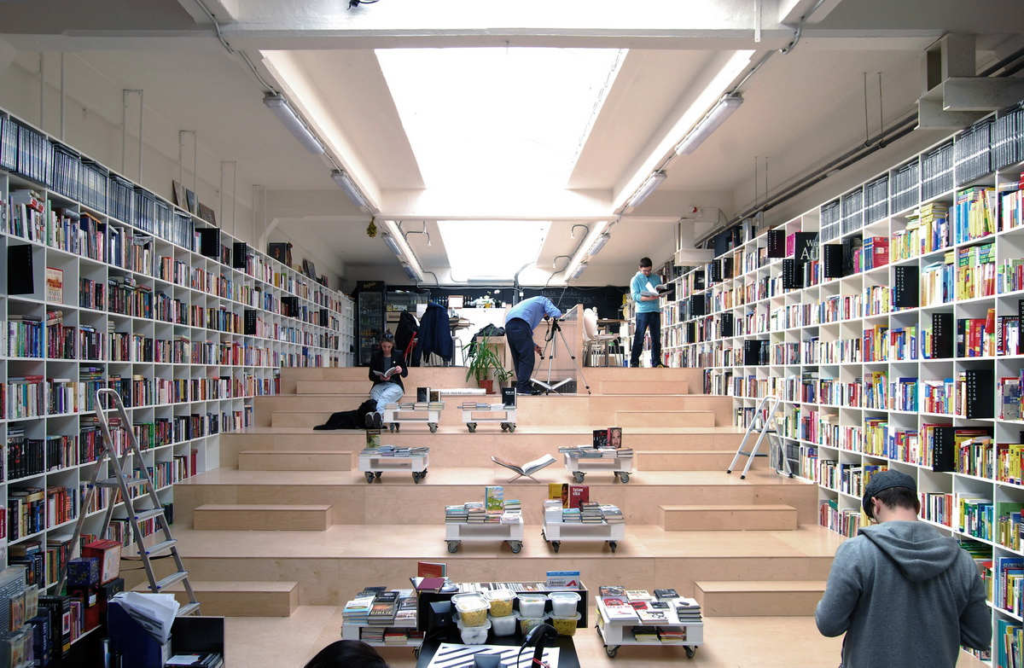
If you need silence or near-silence to work, bookstore cafés are your best friend.
Retail chains such as Barnes & Noble (in the US) or Waterstones (in the UK) have dedicated café sections. The atmosphere is quiet, cerebral, and steady. Nobody is there to be loud.
Why they work well for laptop users:
- Long visit durations are completely normal and expected
- The peaceful environment is like a library but with coffee
- Prices are frequently cheaper than major café chains
- You’ll have endless reading material on your breaks
The drawback is that some bookstore cafés are outlet-stingy. But if you’re on a fully charged laptop or have a portable charger, this is an elite affordable option.
3. Chain coffee shops with loyalty programs — work smarter, not harder
Yes, national brands like Starbucks or Dunkin’ can save you money — if handled correctly.
The thing most people get wrong: loyalty programs. Starbucks Rewards, for instance, allows you to earn stars toward free drinks. If you’re a regular laptop worker grinding out the same routine four to five days a week, those free drink rewards add up fast. Just by using the app, you can easily slash your weekly café expenditure by 20–30%.
Clever ways to save at chain cafés:
- Use the loyalty app every time you visit
- Order medium rather than large sizes
- BYOS — bring your own snacks (most chains don’t mind)
- Visit during happy hour to get drinks at discounted prices
Big chains also almost always provide solid, reliable Wi-Fi and plenty of outlets — two big wins for anyone working on a laptop.
4. University and college cafés — affordable and built for focus
If you’re a student, this one’s a no-brainer. But even if you aren’t, many university cafés welcome members of the public.
College coffeehouses are built for one group of people: students who need to get work done. That means:
- Plenty of outlets for nearly every seat
- Wi-Fi infrastructure built for hundreds of simultaneous users
- Inexpensive eats (like $2 sandwiches and $1.50 coffee)
- Long hours of operation, including evenings and weekends
Many university café areas allow public access — especially in large, open campus buildings. Just walk in as if you’re supposed to be there and no one will say a word.
5. Library cafés — the most underutilised laptop space on the planet
Public libraries have quietly become some of the best places in the world to work from a laptop.
Many modern libraries have terrace cafés or café-style seating with coffee machines, snack vending, or street food stalls. And the benefits are nearly unmatched.
What makes library cafés exceptional:
- Wi-Fi is often publicly funded — fast and free
- Absolute quiet or near-quiet environment
- Longer hours in several metropolitan areas (some open until 9 or 10 PM)
- Zero pressure to buy anything
- Usually one or two private or semi-private study rooms available
A library café is your best real option if you’re on an ultra-tight budget. Bring coffee in a travel mug, get comfortable, and work all day for next to nothing.
6. Co-working café hybrids — a slight but worthwhile upgrade
These are cafés somewhere between a traditional coffee shop and a full coworking space.
You can find them in almost every major city. They cost a little more — often a flat daily fee of $8 to $15 — but what you get in exchange is substantial.
Common features of co-working café hybrids:
- Workstations with all-in-one monitor ports
- Private phone booths for calls
- High-speed internet with guaranteed bandwidth
- Ergonomic chairs and standing desks
- Printing and scanning available
For people who work remotely every single day, these hybrid spots are actually the most economical in the long run. You’re getting a legitimate workspace without the full coworking space price tag.
7. Hotel lobby cafés — the secret weapon most people ignore
Here’s a tip that longtime remote workers swear by: hotel lobby cafés.
Large hotels — particularly business-class hotels — usually have cafés or lounge areas open to the public. These spaces are designed for working professionals, creating a professional, quiet, and polished atmosphere.
What makes a hotel lobby café so effective:
- Business-grade Wi-Fi, ideal for video calls
- Comfortable, high-quality seating
- Staff trained to be discreet — nobody bothering you
- A safe, clean environment with great air conditioning
The menu prices may be on the higher side, but if you order one drink and sip it over a couple of hours, you’re paying for access to a premium workspace at the price of a single beverage.
8. Museums and galleries — where culture meets connectivity
Art museums and cultural centres often have surprisingly good cafés hidden within them.
These spaces are quiet by nature — you go to museums for contemplation, not boisterousness. That same energy flows into the cafés. They’re calm, scenic, and often empty on weekday afternoons.
Best times to visit:
- Tuesday through Thursday afternoons — typically dead quiet
- Early morning, before the tourist crowds arrive
- Rainy days, when exhibition attendance drops
Wi-Fi at museum cafés can be hit or miss, so check before you order. But if the Wi-Fi holds, you’ve discovered one of the most tranquil budget laptop café locations around.
9. Bakery cafés — fuel up and focus
Bakery cafés are underrated workspaces.
We’re talking croissants, fresh bread, soups, and real coffee at fair prices. Bakery cafés have a more laid-back, calm clientele. People linger over pastries. Nobody is rushing in and out. The atmosphere is friendly and relaxed.
That laid-back energy makes them perfect for creative work, writing, or anything that benefits from a relaxed headspace.
What to look for in a bakery café:
- A seating area away from the counter and front door (quieter)
- Plenty of table space for your laptop, notebook, and coffee
- A menu with inexpensive lunch options as well
Bakery cafés also often have long hours — most open at 6 or 7 AM and stay open until 6 or 7 PM, giving you a solid full workday window.
10. Tea houses — the quietest laptop cafés you’ll ever find
The whole atmosphere of a tea house is different from a coffee shop.
The culture in a tea house is slower, more mindful, and far less frenetic. Nobody’s chugging espresso shots and rushing to meetings. People sit. They sip. They think.
For laptop workers who struggle with distraction or noise, a good tea house can be life-changing.
What makes tea houses unique as workspaces:
- Exceptionally low noise levels
- Tranquil environment conducive to deep focus
- Affordable drink menus (teas tend to be cheaper than espresso drinks)
- Welcoming of long-stay customers
Wi-Fi is variable, but many tea houses have caught on to the remote-worker trend. Always ask before you make yourself at home.
11. Fast-casual restaurants with café sections
This last one surprises people.
Certain fast-casual chains — Panera Bread in the United States and similar models worldwide — feature complete café areas within their venues. These areas were designed with laptop users and students in mind.
Why this works as a budget option:
- Complimentary Wi-Fi and ample outlets
- Seating away from the main dining rush
- Low-cost meals to power a long workday
- “You+” membership programs at some chains offering unlimited drinks for a monthly fee
The noise level can be busier during lunch rushes, but during off-peak hours (9–11 AM or 2–4 PM), these spots are perfectly comfortable for focused work.
Laptop café etiquette: how not to be a bad café customer
Working from a café is amazing. But there is an unspoken etiquette to keeping you and the café on good terms.
Golden rules to follow:
- Always buy something. At least one drink every couple of hours.
- Don’t occupy a big table alone at peak hours. Sit at smaller seats when the café gets crowded.
- Use headphones. No one wants to hear your music or your Zoom call on speaker.
- Keep your workspace tidy. Don’t spread papers and bags over multiple seats.
- Tip well when you can. You’re essentially renting workspace.
Following these simple rules ensures café owners will always welcome you back — and that’s exactly what you want.
Quick-reference guide: which spot should you choose?
| Your situation | Best café type |
|---|---|
| Complete silence needed | Library café or tea house |
| Ultra-tight budget | University or library café |
| Fast, reliable Wi-Fi | Chain café or co-working hybrid |
| Video calls scheduled | Hotel lobby or co-working hybrid |
| Creative atmosphere | Independent coffee shop or art museum café |
| Need food + Wi-Fi | Bakery café or fast-casual café zone |
| Full 8-hour workday | Co-working café hybrid or university café |
FAQs: affordable laptop café guide
Q: Is it inappropriate to spend multiple hours working from a café?
Not at all — provided you purchase something every few hours and don’t monopolise tables during peak times. Most cafés actually expect laptop workers and welcome them.
Q: When is the best time to visit a café to work?
Mid-morning (9–11 AM) and early afternoon (1–3 PM) tend to be the sweet spots. You skip the morning rush and the lunch crowd but still get a full café experience.
Q: Where can I find cheap laptop-friendly cafés nearby?
Filter reviews for keywords like Wi-Fi, outlets, and seating. Apps such as Workfrom or Foursquare also allow you to filter for cafés catered specifically to remote workers.
Q: What do I always need to have with me for a laptop café session?
Make sure you pack your laptop charger, a backup portable power bank, noise-cancelling headphones, and a small notebook. Some people also bring their own snacks to save money.
Q: Are the extra costs of co-working café hybrids worth it?
Yes — particularly if you work remotely every day. A $10–$15 daily rate is still much cheaper than renting a traditional office or taking out a full coworking membership.
Q: What’s the fastest Wi-Fi you’re likely to find at cafés?
Hotel lobby cafés and co-working café hybrids generally provide the fastest, most stable internet (100 Mbps or higher). University campus cafés are often excellent too.
Q: What about doing video calls from a café?
Yes, but find a quiet corner and always use headphones with a built-in microphone. The best places for calls are hotel lobby cafés and library cafés, due to their low ambient noise.
Your perfect café is out there
Finding the right affordable laptop café isn’t a guessing game. Whether you need the pin-drop silence of a tea house, the buzzing energy of an independent coffee shop, or the professional setup of a hotel lobby café — your perfect spot is out there.
The trick is knowing your requirements before you step through the door. Use the quick-reference table above to match your work type to the ideal café type. Try a few spots in your area and build your own shortlist of favourites. And most importantly — keep buying coffee from the café owners who welcome your stay.
Go find your spot. Plug in. Get to work.